
Window Replacement in Austin, TX Built for Texas Heat, Hail & Shifting Soil
Austin summers don't let up. Afternoons sit in the upper 90s and 100s, nights barely drop below 75°F, and old windows let all of it in. Single-pane wood sash, bare aluminum sliders, and fogged builder-grade vinyl turn west-facing rooms into ovens, fade your floors, and keep your AC running all day. Add spring hail, sideways Flash Flood Alley rain, and clay soil that knocks openings out of square, and most windows here wear out early. Austin Residential Window Replacement installs replacement windows made for these conditions, with low-SHGC glass, properly flashed openings, and frames set square and tight.
For more than 10 years we've replaced windows across the Austin metro. That includes 1920s bungalows in Hyde Park, 1970s aluminum-window ranches in Allandale and Northwest Hills, 1990s production homes in Round Rock and Cedar Park, and view-wall custom homes in Lakeway and Westlake Hills. We know which neighborhoods sit on expansive Blackland clay and which sit on Hill Country limestone. We also know which HOAs and historic districts will want to review your frame color and grid pattern before any work starts.
- ✓Bonded and insured window contractor
- ✓More than 10 years serving the Austin metro
- ✓Low-E glass rated for IECC Climate Zone 2A
- ✓Financing available on qualifying projects
- ✓Serving communities within a 20-mile radius
- ✓Experienced with stucco, limestone, and brick retrofits
Request Your Free Estimate
No obligation. Fast, honest quotes.
Thank you — your request was sent!
A member of the Austin Residential Window Replacement team will reach out shortly. Need help now? Call (512) 379-6857.
Why Austin Homes Need Windows Built for Central Texas
Austin's windows take more abuse than windows in most U.S. metros. You've got extreme heat, strong UV, hail, sudden downpours, the occasional hard freeze, and soil that moves under the house. A window that holds up fine in Denver or Charlotte can fail here in a decade. Here's why.
Heat, UV, Hail, and the Odd Hard Freeze
Austin is in IECC Climate Zone 2A (hot-humid). Highs run in the mid-to-upper 90s from June through September, and 2023 set a record for triple-digit days. Overnight lows often stay in the mid-70s, so the house never really cools off. At about 30°N latitude, UV stays high most of the year. That heat and UV come straight through west- and south-facing glass, fade hardwood and rugs, and break down vinyl frames and seals. Rain averages 34–36 inches a year, but it tends to arrive in violent bursts that push water sideways into window perimeters. Spring hail hits Williamson County and western Travis County often. And Winter Storm Uri in 2021, followed by the 2023 ice storm, showed just how drafty single-pane and aluminum windows really are.
Shifting Clay Soil and an Aging Housing Stock
East Austin and the northern suburbs sit on Houston Black clay and other Blackland Prairie soils. These clays shrink in drought and swell when wet, and that foundation movement racks window openings, breaks insulated-glass seals, and makes sashes stick. The housing stock adds its own problems. Central neighborhoods like Hyde Park, Travis Heights, and Clarksville still have original 1910s–1950s wood sash, often painted shut. Crestview, Allandale, and Northwest Hills have a lot of 1960s–80s ranches with non-thermally-broken aluminum sliders. Then there's the 1980s–2000s building boom in Round Rock, Cedar Park, Brushy Creek, and Wells Branch. Those builder-grade windows are now 20–40 years old, and the post-2000 homes in Leander and outer Bee Cave are starting their first replacement cycle.
Permits, Historic Districts, HOAs, and Energy Code
Austin's Development Services Department generally requires a permit when a window replacement changes the opening size or the framing, so check current DSD rules before you start. Replacement windows have to meet the Climate Zone 2 limits for U-factor and SHGC, which in practice means spectrally selective low-E glass. Bedroom windows have to keep IRC egress clearances. Tempered glass is required near doors, tubs, and stairs. In local historic districts like Hyde Park, Clarksville, Travis Heights–Fairview Park, and Bluebonnet Hills, changing street-facing windows on a contributing property usually needs a Certificate of Appropriateness. Round Rock, Cedar Park, Leander, Lakeway, Bee Cave, West Lake Hills, and Rollingwood each run their own permits and inspections. HOAs in Steiner Ranch, Avery Ranch, Circle C Ranch, and Lost Creek may also restrict frame colors and grid patterns.
A Fast-Growing, Research-Driven Market
About 2.4 million people live in the Austin metro, many of them working in tech, state government, or at UT. With so many people working from home, more of them are inside during the hottest part of the day and notice hot rooms and glare. Owners in the northern suburbs tend to care most about value, lower electric bills, and resale. On the west side, owners in Westlake Hills, Barton Creek, and Lakeway expect premium fiberglass or clad frames and slim, dark profiles. After every hailstorm, storm chasers show up, so homeowners check reviews, insurance, and local track records before they hire anyone.
Common Window Problems in Austin Homes
Most window problems we see around Austin come from the same few causes: heat, UV, clay soil, hail, and age. Here are the ones we run into most, why they happen here, and the warning signs to look for before a small problem becomes a costly one.
Extreme Solar Heat Gain Through Old Glass Serious
Solar heat gain is the sun's energy passing through glass and turning into heat inside your home. Clear single-pane glass and early dual-pane glass without low-E coatings let most of that energy in. On a 100°F afternoon, that can push a room's temperature several degrees higher than the rest of the house.
Why it's common hereAustin's latitude, long summer, and high UV make west- and south-facing glass the biggest heat load in many homes. Plenty of 1960s–80s houses still have clear single-pane aluminum windows. Many 1990s production homes have dual-pane glass with no low-E coating, or a poor one. Warm nights in the mid-70s mean that heat never leaves, so the AC runs into the evening. Open great rooms with tall windows are hit hardest, and people working from home feel it all afternoon.
Signs you'll notice- One room stays several degrees hotter than the rest
- Glass feels hot to the touch in the afternoon
- AC runs nonstop on summer afternoons
- Summer electric bills climb year after year
- Faded hardwood, rugs, or furniture near windows
- Heavy glare that keeps the blinds closed all day
This is worst in west-facing great rooms in Circle C Ranch, Avery Ranch, and Steiner Ranch, and in the lake-view walls in Lakeway and Barton Creek. Bare aluminum windows in Northwest Hills and Crestview ranches cause the same problem.
Our fix: Replace with windows using spectrally selective low-E glass that meets Climate Zone 2 SHGC limits. Use triple-silver coatings on the hardest-hit west exposures, and size frames to keep as much daylight as possible.
Fogged or Failed Dual-Pane Glass Moderate
An insulated glass unit (IGU) is two panes sealed around a gas-filled space. When that edge seal fails, moist air gets in and condenses between the panes. You get permanent fog or haze, and the window loses most of its insulating value.
Why it's common hereThermal cycling is hard on seals here. Glass goes from cool mornings to more than 140°F on sunlit afternoons, over and over. Expansive clay under much of north and east Austin moves foundations, which racks frames and puts stress on the seal edges. Many builder-grade windows put in between 1985 and 2005 in Round Rock, Cedar Park, and Wells Branch used basic spacers and sealants that have now passed their useful life. Once one unit fogs, others in the same house usually follow.
Signs you'll notice- Milky haze or fog between the panes
- Water droplets or streaks inside the glass
- Fog that comes and goes with temperature
- Rainbow-colored film on the glass
- Rooms near the affected windows feel warmer
We see this often in 1990s–2000s homes in Brushy Creek, Anderson Mill, Wells Branch, and Round Rock, especially on south and west elevations and on houses with known foundation movement.
Our fix: If the frame is sound, replacing just the glass can work. When several units are failing or the frames are warped, a full window replacement is the better long-term choice.
Racked Openings from Foundation Movement Serious
When a foundation settles or heaves, the window openings in the walls go out of square. Sashes bind, locks won't line up, gaps open at the corners, and glass can crack under pressure.
Why it's common hereBlackland Prairie clays can swell and shrink dramatically between drought and heavy rain, and Austin swings between the two often. Slab-on-grade homes across the northern suburbs and East Austin move with those cycles. A simple insert window pushed into an opening that's out of square won't seal or operate correctly. Many quick replacement jobs fail early for exactly this reason: nobody measured the opening diagonally or corrected the framing first.
Signs you'll notice- Windows that stick, bind, or won't stay open
- Locks that no longer line up
- Visible gaps at the top or bottom corners
- Diagonal drywall cracks at window corners
- Cracked glass without any impact
- Stucco or brick cracks radiating from openings
This is common on clay-soil lots in Round Rock, Brushy Creek, Wells Branch, Jollyville, and East Austin. It often shows up after a long drought breaks with heavy fall rain.
Our fix: Measure the opening diagonally and check it with a level. Correct the framing or do a full-frame replacement where needed, then shim and set the new window plumb and square.
Hail-Damaged Glass, Frames, and Screens Emergency
Hailstones can crack or shatter glass, dent aluminum frames and cladding, split vinyl, and shred screens. Damage that looks minor can still break seals or let water in later.
Why it's common hereSpring supercells come through Central Texas every year, and Williamson County and western Travis County take damaging hail often. Round Rock, Cedar Park, and Leander have all filed waves of insurance claims after big storms. Storm chasers flood in after those events. Texas law bars contractors from acting as public adjusters or waiving deductibles, so careful documentation and an honest contractor are especially important.
Signs you'll notice- Cracked, starred, or broken panes
- Shredded or punctured window screens
- Dents in aluminum frames or clad exteriors
- Chipped or split vinyl frame corners
- New fog in glass after a storm
- Water stains below windows after rain
Most claims come from Round Rock, Cedar Park, Leander, Brushy Creek, and Avery Ranch after March–May storms. Lakeway and Steiner Ranch see hail on exposed hilltops too.
Our fix: Board up or secure broken glass right away. Document the damage with photos and measurements for your insurer, then replace the damaged units with matching or upgraded windows.
Water Intrusion at Window Perimeters Serious
Water gets in around the window, not through the glass. It comes through failed caulk, missing sill pans, or bad flashing, then soaks into framing, drywall, and subfloors.
Why it's common hereAustin sits in Flash Flood Alley, where spring and fall storms can drop inches of wind-driven rain in a few hours. That rain hits window perimeters sideways. Stucco and limestone exteriors are especially vulnerable when an earlier replacement crew just caulked over cracked finishes instead of flashing properly. UV breaks down exterior sealant fast, often in just a few summers.
Signs you'll notice- Stains or bubbling paint below windows
- Soft or swollen sills and trim
- Musty odors near windows after storms
- Cracked or missing exterior caulk
- Mold on interior sills or drywall
- Water pooling on sills during rain
We see this a lot on stucco homes in Circle C Ranch and Steiner Ranch, on limestone Hill Country homes in Bee Cave and Lost Creek, and on older replacements throughout Northwest Hills.
Our fix: Remove the failed window, inspect the framing for rot, and install a sloped sill pan and proper flashing tape. Then reset the window and seal it with UV-stable sealant.
Sweating, Drafty Aluminum Windows Moderate
Older aluminum frames have no thermal break, so they conduct heat and cold straight through. In winter they collect condensation and frost. In summer they radiate heat into the room and leak air at worn sliders.
Why it's common hereThousands of 1960s–80s ranch and split-level homes in Crestview, Allandale, North Shoal Creek, and Anderson Mill still have mill-finish aluminum single-pane windows. Humid winters make them sweat, and that moisture feeds mold on sills. Winter Storm Uri in 2021 showed how badly these windows perform. Many homeowners saw frost on the inside of the glass and couldn't keep rooms warm when the power came back.
Signs you'll notice- Condensation or frost on frames in winter
- Black mold or mildew on sills
- Drafts felt near closed windows
- Sliders that are hard to open or lock
- Pitted or oxidized frame finish
- Single-pane glass that rattles
This is typical of Allandale, Crestview, Northwest Hills, Anderson Mill, and Jollyville homes built from roughly 1965 to 1985 that have never had their windows updated.
Our fix: Replace with insulated vinyl or fiberglass windows using dual-pane low-E glass and warm-edge spacers, sealed tightly at the perimeter to stop drafts and condensation.
Deteriorated Original Wood Sash Minor
Original wood double-hung windows in older homes often have failing glazing putty, broken sash cords, rotted sills, and multiple layers of paint holding them shut. That leaves rooms drafty and windows that won't open.
Why it's common hereCentral Austin has a large stock of 1910s–1950s Craftsman bungalows, Tudor cottages, and early ranches. Decades of UV and humidity break down paint and putty. Many of these homes are in local historic districts, so replacement choices have to respect preservation guidelines. Older paint may contain lead, which brings EPA lead-safe work-practice requirements into play.
Signs you'll notice- Windows painted shut or very hard to open
- Cracked or missing glazing putty
- Soft, rotted sills or lower sash rails
- Broken sash cords or weights
- Rattling glass and noticeable drafts
This is concentrated in Hyde Park, Travis Heights, Clarksville, Tarrytown, Rosedale, and Bouldin Creek. Street-facing windows on contributing historic properties may need Historic Landmark Commission review.
Our fix: Weigh restoring the originals against in-kind replacement. Match the profiles, materials, and divided-lite patterns where historic rules apply, and use lead-safe practices on pre-1978 homes.
Window Replacement and Installation Services in Austin
Every service below is planned around Austin's conditions: Climate Zone 2A energy code, UV exposure, clay or limestone foundations, and the permit, HOA, or historic rules that apply to your address. Start with whatever problem you need solved, and we'll match the product and installation method to your home.
Window Replacement ⭐ Specialty
We take out failing, fogged, drafty, or hail-damaged windows and install energy-efficient units sized to your existing openings. That covers everything from a single cracked unit to a whole-house replacement.
Our approachWe choose insert or full-frame installation depending on frame condition and squareness. Every opening is checked diagonally, we correct the framing when clay-soil movement has racked it, and we flash and seal to handle wind-driven rain.
In Austin, TXIn Round Rock and Brushy Creek, that usually means swapping 25-year-old builder vinyl for low-SHGC units. In Allandale and Crestview, it's retiring bare aluminum sliders. On stucco and limestone homes in Circle C Ranch and Bee Cave, we cut in carefully so the exterior finish doesn't crack.
Best for: Homeowners with fogged glass, high summer bills, sticking sashes, drafts, or storm damage who want windows that stand up to Austin heat and last for decades.
Window Installation
We install windows in new or altered openings, including room additions, remodels, enlarged openings, and added windows. The work is fully integrated with the wall's weather barrier and framing.
Our approachNew-construction flange installation with a sloped sill pan, shingle-lapped flashing tape, and properly sized headers. Where the work changes an opening or framing, we coordinate the required permit.
In Austin, TXThis is common in Central Austin bungalow additions in Tarrytown and Travis Heights and in great-room remodels in Northwest Hills. Changing an opening's size generally triggers an Austin DSD or suburban building permit and inspection.
Best for: Remodels, additions, and owners who want more daylight or a view through a new or enlarged opening.
Residential Window Installation
Whole-home window projects for single-family houses, from bungalows to Hill Country custom homes, planned room by room for heat exposure, egress, safety glazing, and appearance.
Our approachWe do an elevation-by-elevation glass plan. That means different glass packages for west and east exposures, tempered glass where code requires it, and laminated glass for noise. We also prepare HOA submittals for frame color and grids.
In Austin, TXFor homes in Steiner Ranch and Avery Ranch, we put together ACC submittals up front. For homes near MoPac, I-35, US-183, or the ABIA flight paths, we often specify laminated glass to bring traffic and aircraft noise down noticeably.
Best for: Families planning a full upgrade who want a consistent look, lower energy use, and approval-ready paperwork.
Window Replacement Cost Estimates
We give you detailed, itemized estimates that break out product, glass package, installation method, trim, disposal, and permits, so you can compare options side by side.
Our approachWe measure on site, inspect frames and squareness, and give you good-better-best product options. Where financing fits your budget, we explain that too. We'll also point you to Austin Energy and federal 25C programs to check.
In Austin, TXAustin buyers compare several quotes. Ours spell out the differences between insert and full-frame work, the specs that keep you within Climate Zone 2 limits, and any HOA or historic review steps, so the price you approve is the price you pay.
Best for: Homeowners comparing contractors, planning a budget, or working through an insurance hail claim who need documented, line-item numbers.
Vinyl Window Replacement ⭐ Specialty
We install quality vinyl replacement windows with welded frames, multi-chamber profiles, and low-E dual-pane glass. It's the best-value upgrade for most Austin homes.
Our approachWe specify heat-resistant vinyl formulations and UV-stable finishes, including darker exterior colors rated for Texas sun. Warm-edge spacers and argon fill improve seal life and comfort.
In Austin, TXThis is ideal for 1980s–2000s homes in Cedar Park, Leander, Anderson Mill, Wells Branch, and Round Rock that are replacing failing first-generation builder vinyl. It's typically discouraged on primary façades in historic districts, and we'll tell you that up front.
Best for: Value-focused homeowners who want lower cooling bills, less maintenance, and resale appeal without paying for premium materials.
Egress Window Installation
We install or enlarge bedroom windows so they meet IRC emergency escape requirements for net clear opening, width, height, and sill height.
Our approachWe calculate the clear opening for the window style you've chosen, modify the framing and header when needed, and coordinate the permit and inspection. Then we finish the interior and exterior trim to match.
In Austin, TXThis matters most when you switch styles, such as double-hung to slider in Allandale ranches. It also comes up when converting dens or garages to bedrooms in Crestview and Wells Branch, and when bringing older Central Austin bungalows up to code during a remodel.
Best for: Bedroom conversions, remodels, rental and resale compliance, and families who want a safe escape route from every sleeping room.
Bay Window Installation
We install projecting bay windows, usually a fixed center unit flanked by angled operable windows. They add light, space, and a seat or display ledge.
Our approachWe use engineered support with cable or knee-brace systems, an insulated seat and head board, and a properly flashed roof cap. Low-E glass keeps the projection from turning into a heat trap.
In Austin, TXThese are popular for refreshing breakfast nooks in Brushy Creek and Round Rock homes and front façades in Northwest Hills. On west-facing walls, we specify low-SHGC glass so the new bay doesn't overheat in July.
Best for: Homeowners who want more daylight, curb appeal, and usable interior space from an existing picture or flat window.
Bow Window Replacement
We replace aging bow windows, the gently curved arcs of four or more panels, with tight new units, solid structural support, and fresh interior and exterior trim.
Our approachWe fully remove the old unit, inspect and repair the framing and seat platform, add new support and roof flashing, then install matched multi-panel units with continuous seals.
In Austin, TXOlder bow windows on 1990s homes in Avery Ranch, Cedar Park, and Anderson Mill often sag, leak at the roof cap, or fog panel by panel. Replacement fixes all three and brings the glass up to current energy code.
Best for: Homes with sagging, leaking, or fogged bow windows where the curved look is worth keeping but the old unit has failed.
Our Window Replacement Process
Here's how a project runs with us, from the first measurement to the final walkthrough. We set the schedule around permits, HOA approvals, and manufacturer lead times, so you know what to expect at each stage.
In-Home Consultation and Measurement
- Inspect each window for fogging, rot, hail damage, and water intrusion
- Measure each opening diagonally to check for clay-soil racking
- Note sun exposure by elevation to plan glass packages
- Identify egress, safety-glazing, and noise needs room by room
Local note: We check whether your address is in a historic district, an HOA, or a suburban jurisdiction with its own permitting.
Itemized Estimate and Product Selection
- Good-better-best options covering vinyl, fiberglass, and clad frames
- Glass specs that keep you within Climate Zone 2 U-factor and SHGC limits
- A clear call on insert vs. full-frame installation for each opening
- Financing options reviewed if you'd like them
Local note: West-side homes with custom shapes or oversized view walls may involve longer lead times on premium products. We tell you that up front.
Approvals, Permits, and Ordering
- Prepare HOA Architectural Control Committee submittals
- Pull City of Austin or suburban permits when required
- Help with Certificate of Appropriateness documentation for historic homes
- Place the order and confirm a delivery date
Local note: Historic Landmark Commission review and HOA meetings follow their own calendars, so we build them into your timeline.
Professional Installation
- Protect floors, furniture, and landscaping
- Remove old units, using lead-safe practices on pre-1978 homes
- Correct framing, install sill pans, flash, and set the windows plumb and square
- Seal with UV-stable sealant and finish the trim
Local note: In summer we schedule west-elevation work for the morning, and we take extra care cutting into stucco and limestone.
Inspection, Cleanup, and Walkthrough
- Test every sash, lock, and screen
- Schedule any required municipal inspection
- Haul away old windows and debris
- Walk you through care and manufacturer warranty registration
Local note: We provide documentation for Austin Energy rebate or federal 25C credit applications where your products qualify.
Why Austin Homeowners Choose Austin Residential Window Replacement
More Than 10 Years of Austin-Specific Experience
We've spent more than a decade working on Austin homes, not general window jobs that happen to be in Texas. We know that a 1940s Hyde Park bungalow, a 1975 Allandale ranch, a 1998 Brushy Creek two-story, and a Lakeway view home each fail in different ways and need different solutions. We know which neighborhoods sit on shifting Blackland clay and which sit on limestone. We know which HOAs want bronze frames and which historic districts want divided lites to match the originals. That local knowledge shapes every recommendation we make.
Bonded and Insured
After every big hailstorm, out-of-town crews show up in Round Rock and Cedar Park, knocking on doors and then disappearing when something goes wrong. We're bonded and insured, so your home and your investment are protected while we work on them. We're happy to provide proof of coverage before your project starts, and we encourage you to ask every contractor you're comparing for the same. It's one of the simplest ways to tell a real local company from a storm chaser.
Products and Glass Chosen for Texas Heat and UV
In Austin, the glass package matters as much as the frame. We specify spectrally selective low-E coatings that block solar heat while letting visible light through, and we match them to each exposure, because a west-facing great room needs different glass than a north-facing bedroom. We recommend UV-stable frame materials and finishes, including dark exteriors rated for Texas sun. Where you live near MoPac, I-35, US-183, SH-71, or the ABIA approaches, laminated glass cuts noise and adds UV protection.
Installations That Account for Clay Soil and Hard Rain
A good window installed badly is still a bad window. Before choosing an installation method, we check every opening for square, because foundation movement on expansive clay is everywhere north and east of downtown. When the framing is out, we correct it instead of forcing an insert into a crooked hole. Every installation gets proper flashing and sealing to handle sideways Flash Flood Alley rain, along with careful cut-ins on stucco, limestone, and brick so your exterior doesn't crack.
Transparent, Itemized Pricing
Austin homeowners compare quotes, and they should. Our estimates break out product, glass, installation method, trim, permits, and disposal, so you can see exactly what you're paying for and compare it fairly with other bids. We offer good, better, and best options instead of pushing the most expensive window. If a less costly fix like glass-only replacement makes more sense for your home, we'll tell you.
Permit, HOA, and Historic Review Handled for You
Between the City of Austin DSD, seven-plus suburban building departments, HOA architectural committees, and the Historic Landmark Commission, getting approval for windows can take longer than installing them. We prepare HOA submittals with frame colors and grid patterns, pull permits when required, and help historic-home owners prepare Certificate of Appropriateness documentation. You won't be stuck with windows the HOA rejects or a stop-work notice halfway through.
Financing and Metro-Wide Coverage
A whole-house window replacement is a major investment, so we offer financing on qualifying projects, which lets you upgrade now instead of losing more summers of high bills. We serve communities within a 20-mile radius, from Leander and Cedar Park through Round Rock and Wells Branch to Lakeway, Bee Cave, and Barton Creek. Our scheduling accounts for Austin traffic, so crews show up on time and your project finishes on schedule.
A Window Contractor Austin Homeowners Trust
For more than 10 years, homeowners across the Austin metro, from historic Hyde Park bungalows to lake-view homes in Lakeway, have trusted us to replace their windows with honest pricing, careful installation, and products built for Texas heat.
Bonded • Insured • Financing available
Areas We Serve Across the Austin Metro
We replace and install windows across Austin and the surrounding suburbs, from historic central neighborhoods to the Williamson County suburbs and the Hill Country west side. Each area has its own housing stock, soils, and approval rules, and we plan every project around them.
Central Austin
North Austin & Williamson County
West Austin & Hill Country
We serve homes within a 20-mile radius covering Austin and the communities listed above. Not sure if you're in range? Contact us and we'll confirm. Not sure if we cover your area? Call (512) 379-6857.
Window Replacement Costs in Austin, TX
In Austin, most replacement windows cost roughly $650 to $2,500+ per window installed. The range depends on frame material, glass package, size, installation method, and access. Here's what drives the price and what typical local projects actually cost.
Frame Material and Product Line Primary Factor
Quality vinyl is the most affordable option and works well for most suburban homes. Fiberglass costs more but handles Texas heat better, holds dark colors well, and allows slimmer sightlines. Wood-clad and aluminum-clad products, which Westlake Hills and Barton Creek homes often call for, sit at the top of the range. Product line affects warranty terms and long-term durability too, so the cheapest frame isn't always the best value in this climate.
Glass Package Primary Factor
Every replacement window here needs low-E glass that meets Climate Zone 2 SHGC limits. Upgrading to triple-silver low-E for west exposures, laminated glass for highway or aircraft noise, or tempered glass where code requires it adds cost per window. These upgrades often pay for themselves through comfort and lower cooling costs, especially in rooms that take direct afternoon sun all summer.
Insert vs. Full-Frame Installation Secondary Factor
An insert installation keeps the existing frame and costs less. A full-frame replacement strips the opening to the studs, which lets us fix rot, correct framing racked by clay-soil movement, and flash properly. That typically adds $200–$600+ per opening. Stucco and limestone exteriors add labor because cut-ins have to be done carefully to avoid cracking the finish.
Size, Shape, and Specialty Units Secondary Factor
Standard single-hung and slider sizes cost the least. Arched tops, custom shapes, oversized picture windows, and multi-panel bay and bow units cost much more. Large lake-view glass walls in Lakeway or Lost Creek can also involve longer lead times, extra crew, and special handling on steep or tight-access lots.
Permits, Approvals, and Lead-Safe Requirements Additional Factor
Permits for changed openings, HOA submittals, historic Certificate of Appropriateness preparation, and EPA lead-safe work practices on pre-1978 homes all add modest cost and time. Matching historic profiles and divided-lite patterns in Hyde Park or Clarksville also costs more than standard replacement units.
| Typical project | Details | Estimated range |
|---|---|---|
| Whole-house vinyl replacement, 1990s production home | Round Rock or Cedar Park two-story, 14–18 windows, low-E dual-pane vinyl, insert installation | $10,500 – $19,000 |
| Aluminum-to-vinyl or fiberglass upgrade, 1970s ranch | Allandale or Anderson Mill single-story, 10–12 windows, some full-frame where openings are out of square | $9,000 – $18,500 |
| Bay or bow window replacement | Single 3- to 5-panel unit with new support, seat board, roof cap, and low-SHGC glass | $4,000 – $9,500 |
| Premium Hill Country view-home package | Lakeway or Westlake Hills custom home, 15–25 fiberglass or clad units, including oversized and specialty shapes | $40,000 – $110,000+ |
Financing is available on qualifying projects, so you can spread the cost of a whole-house upgrade over time instead of waiting through another Austin summer. New windows can lower cooling costs, protect floors and furnishings from UV fading, and help protect your home's resale value. Check Austin Energy rebates and the federal 25C credit, since your windows may qualify.
Recent window Projects in Austin, TX
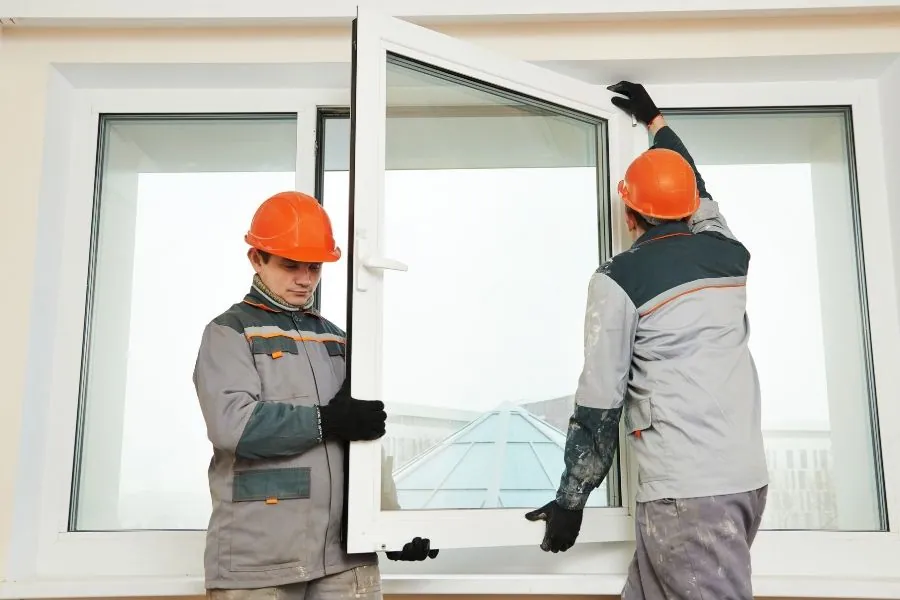
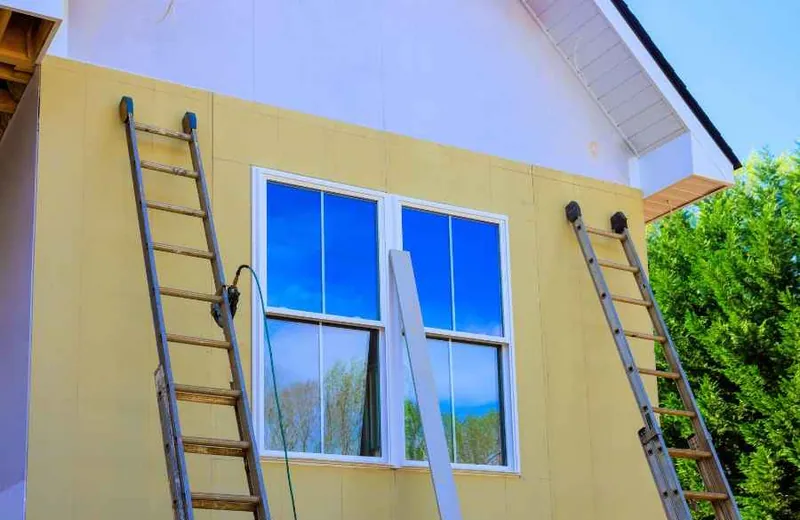
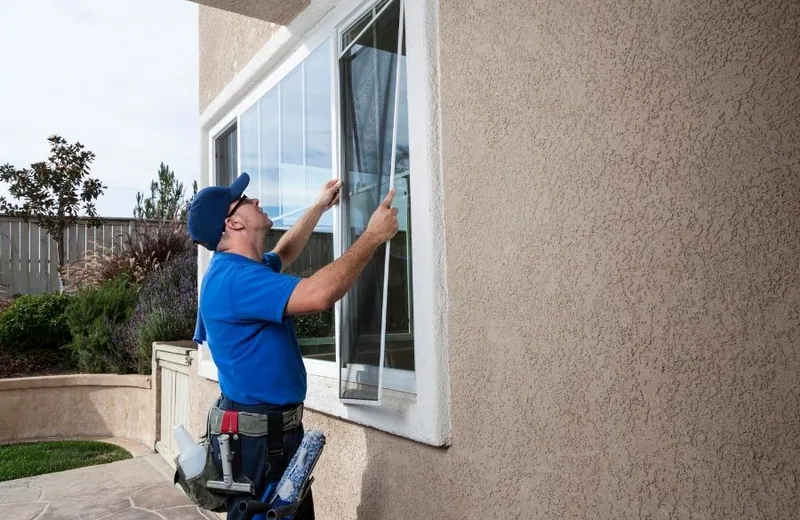
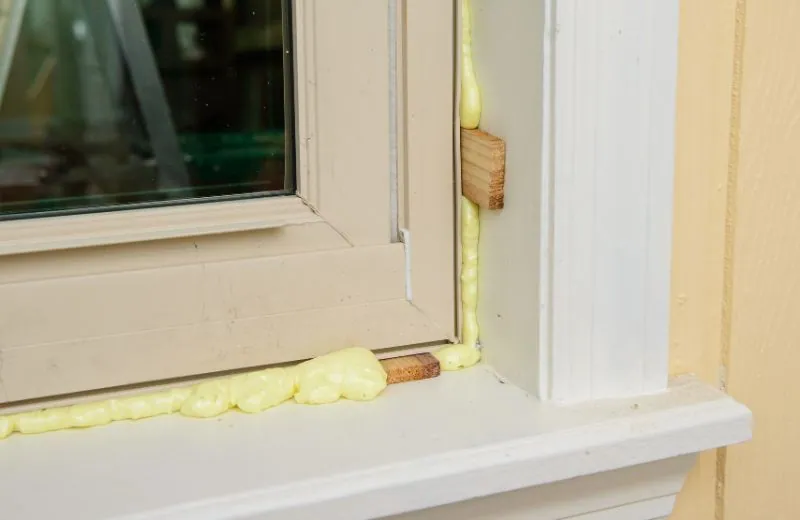
Austin Window Replacement FAQs
How much does window replacement cost in Austin?
Most Austin homeowners pay about $650–$1,200 per window for quality vinyl replacement windows installed, and $1,200–$2,500+ per window for fiberglass, clad, or specialty units. A typical whole-house vinyl project on a 1990s Round Rock or Cedar Park home with 14–18 windows runs around $10,500–$19,000. The main things that change the price are full-frame vs. insert installation, upgraded glass like triple-silver low-E or laminated glass, custom shapes, and stucco or limestone cut-ins. Our itemized estimates break out each of these, and financing is available on qualifying projects.
How long does a window replacement project take?
Installation itself is usually quick. Most homes take one to three days, and a single window or a few windows can often be done in a day. The longer part is everything before installation. Standard products typically take a few weeks to arrive after ordering, while custom shapes and premium fiberglass or clad lines for west-side homes can take longer. If you need HOA approval or historic Certificate of Appropriateness review, plan for that time up front. We give you a realistic timeline at the estimate stage and schedule around it.
Do I need a permit to replace windows in Austin?
It depends on the scope and your city. The City of Austin generally requires a building permit when a window replacement changes the opening size or structural framing. Like-for-like replacements in existing openings may be handled differently, so we confirm current DSD rules for each project. Round Rock, Cedar Park, Leander, Lakeway, Bee Cave, West Lake Hills, and Rollingwood each have their own permit and inspection requirements. Separately, HOAs often require architectural approval, and historic district properties typically need a Certificate of Appropriateness for street-facing windows.
Can I replace windows on a historic home in Hyde Park or Travis Heights?
Yes, but contributing properties in local historic districts such as Hyde Park, Clarksville, Travis Heights–Fairview Park, and Bluebonnet Hills usually need a Certificate of Appropriateness before you change street-facing windows. Preservation guidelines favor repairing original wood windows or replacing them in kind with matching profiles, materials, and divided-lite patterns. Vinyl on primary façades is often discouraged. Rear and side windows sometimes have more flexibility. Homes built before 1978 also require EPA lead-safe work practices. We help you weigh restoration against replacement and prepare documentation for review.
What's the best window type for Austin's heat?
The glass matters more than most people realize. Look for spectrally selective low-E glass with a low solar heat gain coefficient that meets Climate Zone 2 code limits. On west and south exposures, triple-silver coatings make a noticeable difference. For frames, quality vinyl offers strong value for most homes, while fiberglass handles extreme heat and dark exterior colors better and allows slimmer frames. Avoid non-thermally-broken aluminum. It conducts heat in summer and sweats in winter. We match the glass and frame to each elevation of your home.
When should I replace my windows instead of repairing them?
Act soon if you see fog between the panes on several windows, sashes that stick or won't lock, water stains below windows, cracked glass after hail, or rooms that stay much hotter than the rest of the house. One fogged unit in a sound frame can often get new glass only. But when failures spread across the house, frames are warped or rotted, or you still have single-pane aluminum, replacement is usually more cost-effective. The best time to schedule is late winter or early spring, before the summer heat and peak hail season.
How can I make my new windows last longer in Central Texas?
Proper installation is the biggest factor, especially sill pans, flashing, and openings set square. After that, inspect exterior caulk every year or two, since Austin's UV breaks sealant down quickly. Keep weep holes at the bottom of frames clear of debris, clean tracks on sliders, and lubricate hardware once a year. Watch for new sticking or corner gaps, which can mean foundation movement on clay soil. Exterior shading such as trees, awnings, or solar screens on west windows also reduces heat stress on seals and frames.
Do you help with hail damage window replacement and insurance claims?
Yes. After spring hailstorms in Round Rock, Cedar Park, Leander, and western Travis County, we inspect and document damaged glass, frames, and screens with photos and measurements you can give your insurer. We provide itemized replacement estimates and install matching or upgraded windows once your claim is approved. Under Texas law, contractors can't act as public adjusters or waive your deductible. Be cautious of anyone who offers to, and choose a bonded, insured local contractor instead of a storm chaser.
Serving Austin, TX & Nearby
Get Windows Built for Austin's Climate
Don't put up with another summer of hot rooms, fogged glass, and windows that stick. Schedule your in-home estimate and get a clear plan, itemized pricing, and windows built for Central Texas.
- ✓On-site inspection and measurement of every opening, including a squareness check
- ✓Glass recommendations for each elevation to cut heat gain and UV fading
- ✓Itemized, side-by-side pricing with good-better-best options
- ✓Help with HOA, permit, and historic review paperwork
- ✓Installation by a bonded and insured local contractor
- ✓Flashing and sealing done right for Flash Flood Alley storms
- ✓Financing options on qualifying projects
⚡ Hail or storm damage? Call us right away. We'll help secure broken windows and document the damage for your insurance claim.
Bonded • Insured